Local opposition blocks $68 billion in U.S. data center projects | TrendHub AI
Local opposition blocks $68 billion in U.S. data center projects
AI Chips & Infrastructure
Local opposition blocks $68 billion in U.S. data center projects
Tom's HardwareSep 28, 2026
In Q2 2026, local opposition in the U.S. blocked or delayed $68 billion worth of data center projects due to environmental and resource usage concerns.
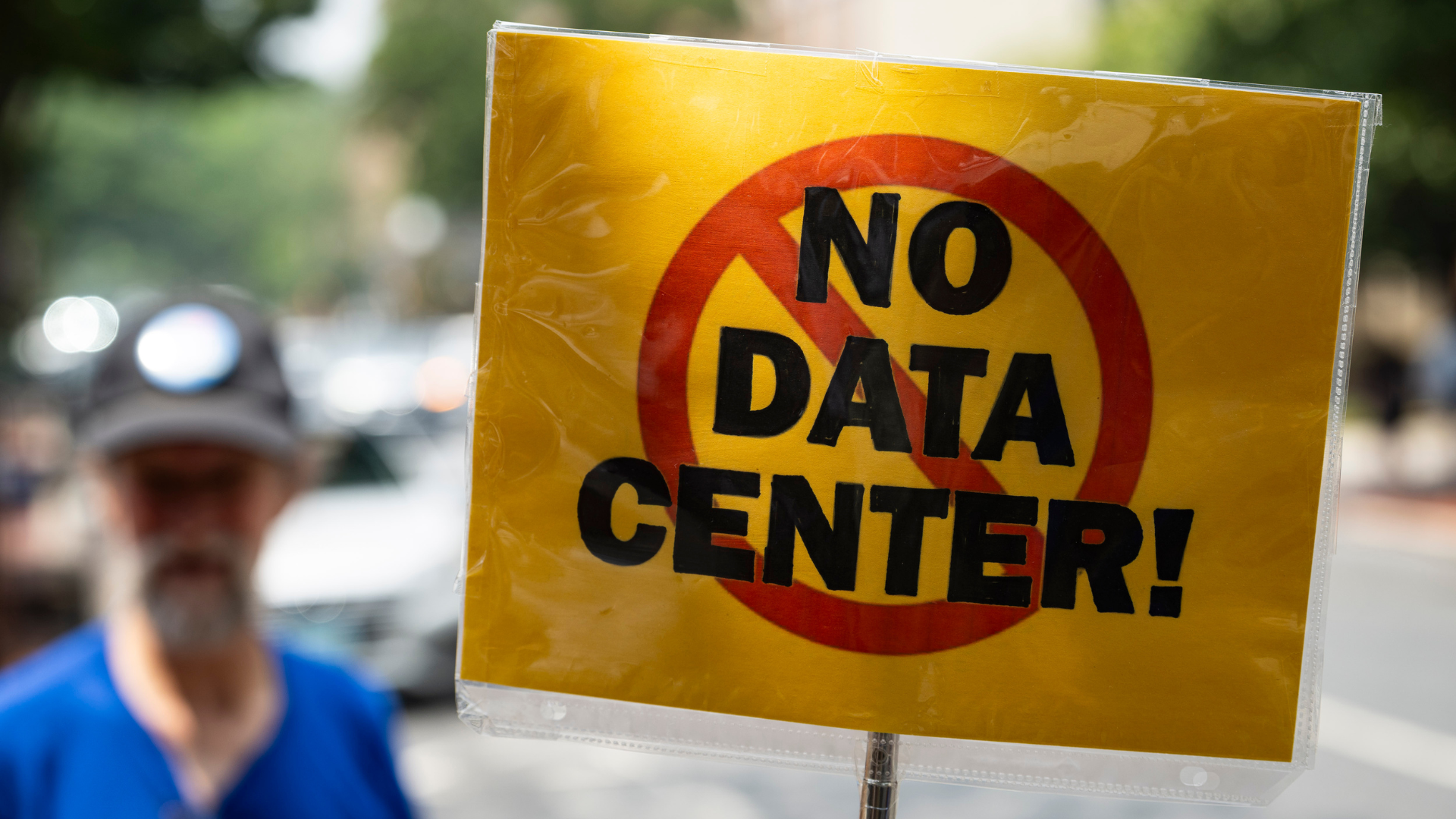
In the second quarter of 2026, local opposition in the United States blocked or delayed $68 billion worth of data center projects, primarily due to environmental and resource usage concerns. Citizens and advocacy groups have increasingly protested the rapid proliferation of AI data centers, citing high electricity and water consumption, pollution from on-site fossil fuel power plants, and damage to local infrastructure. There are reportedly 843 opposition groups across all states except Hawaii, with 142 protests occurring across 42 states in a single July weekend. Data centers are projected to consume 20% of U.S. electricity by 2035, and AI could use up to 600 billion gallons of water by 2030. Incidents such as unauthorized emissions and skyrocketing utility bills have intensified backlash. In contrast, major hyperscalers like Microsoft, Meta, and Amazon argue the concerns are exaggerated and offer to offset costs or green their operations. Despite the opposition, AI infrastructure investment is expected to reach $32 trillion by 2050. The situation has even led to rising threats against officials and accusations from President Trump, who condemned resistance efforts, indirectly blaming foreign influence.
Industry Impact
Data center expansion faces stronger local resistance
AI infrastructure, utilities, energy, water, local permitting
Overview
Local opposition is increasingly slowing AI infrastructure buildouts, creating permitting and execution risk for hyperscalers and their contractors. In the short term, blocked or delayed projects can push out capacity additions, raise financing and carrying costs, and complicate site selection. Over the longer term, the pushback may force operators to redesign facilities around power sourcing, water usage, and community impact, making infrastructure delivery more expensive and slower for software, cloud, and enterprise AI roadmaps.
Key Impact Points
$68 billion in U.S. data center projects were blocked or delayed in Q2 2026.
Environmental and resource-use concerns are driving higher permitting friction and local political risk.
Hyperscalers may need to absorb more cost for utilities, power, water, and mitigation measures.
Opportunities
Mitigation and community-facing infrastructure solutions
AI infrastructure, utilities, local government
The article supports a real opportunity for vendors that help data center operators reduce environmental opposition and navigate local approvals. That includes tools and services for energy planning, water-use reduction, emissions monitoring, and community impact reporting. There is also room for consulting and compliance workflows that help operators document offsets, model utility costs, and communicate with local stakeholders. The business case is strongest where faster permitting, lower resource intensity, and clearer public transparency reduce project delays and protect multibillion-dollar deployments.
Data center impact reporting and permitting workflows
Problem: Local opposition is blocking and delaying large data center projects because communities are concerned about electricity use, water consumption, pollution, and infrastructure strain.
Solution: Build software and advisory workflows that quantify site-level energy, water, and emissions impacts, package mitigation plans, and support permit submissions and stakeholder communication.
Target Users: Data center operators, hyperscalers, infrastructure consultants, legal and policy teams.
Business Value: Faster approvals, fewer delays, lower reputational risk, and better coordination with utilities and local governments.
Revenue Potential: Recurring SaaS fees plus consulting and implementation services tied to each project or site portfolio.